
Florida’s economic scale is context—not a development brief.
In July 2026, the Florida Chamber Foundation described Florida as a $1.8 trillion economy and framed a top-10 position by 2030 as a Blueprint objective, not a certainty.
A waterfront destination should be understood as a system of systems: architecture, access, utilities, information, operations, public realm, environmental conditions, and human decisions. This is a general educational framework—not engineering, permitting, feasibility, insurance, or investment advice.
1. What must stay functional when conditions change?
Before a render becomes a promise, identify the experiences and services that cannot simply disappear. NOAA Digital Coast describes how coastal communities use information on flooding, erosion, natural infrastructure, and planning to make decisions about the future.
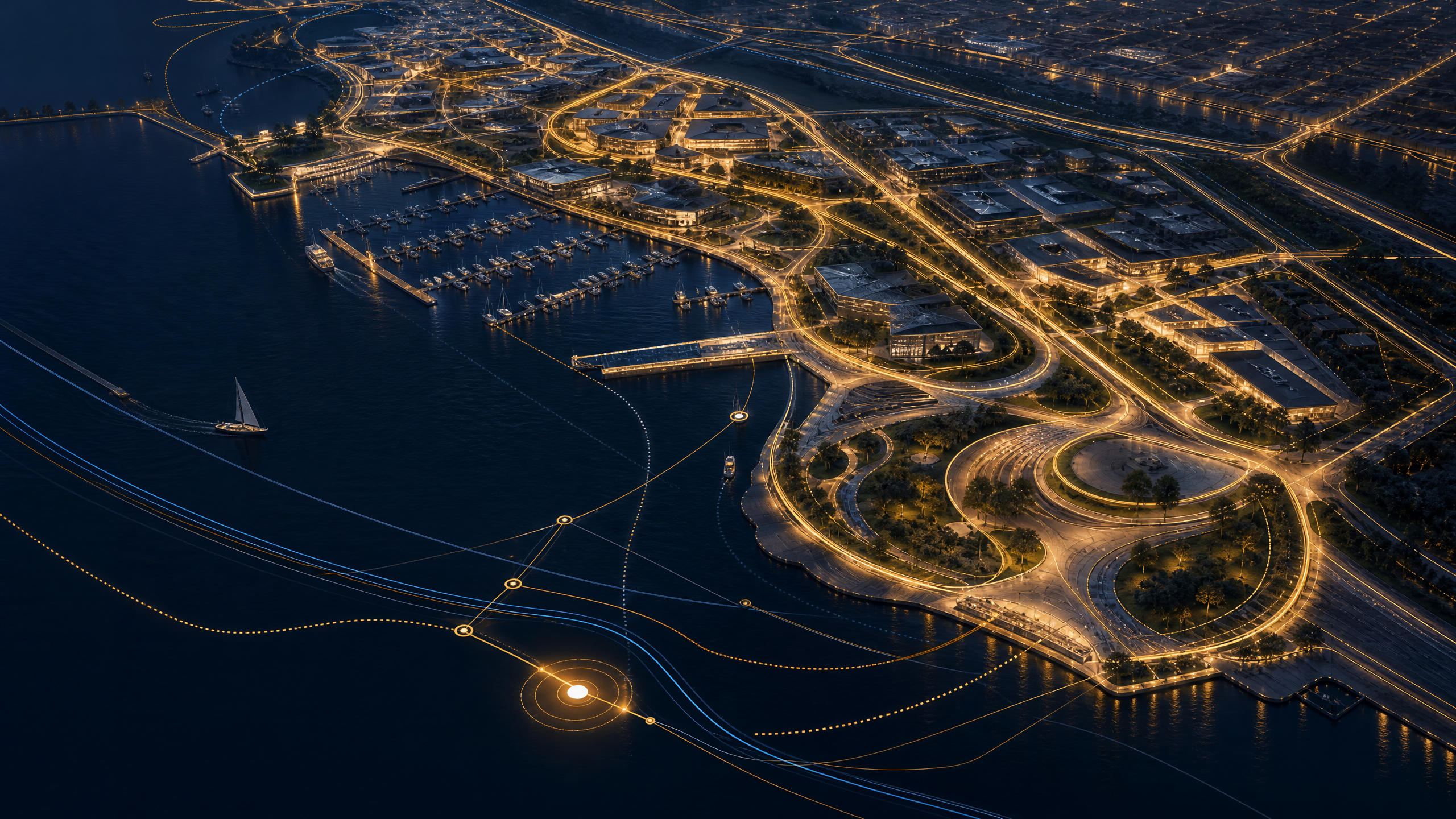
2. Where are the dependencies and handoffs?
A place can look complete while relying on fragile handoffs between access, utilities, operations, and decision-making. CISA’s Infrastructure Resilience Planning Framework calls attention to dependencies and cascading disruptions in planning decisions.
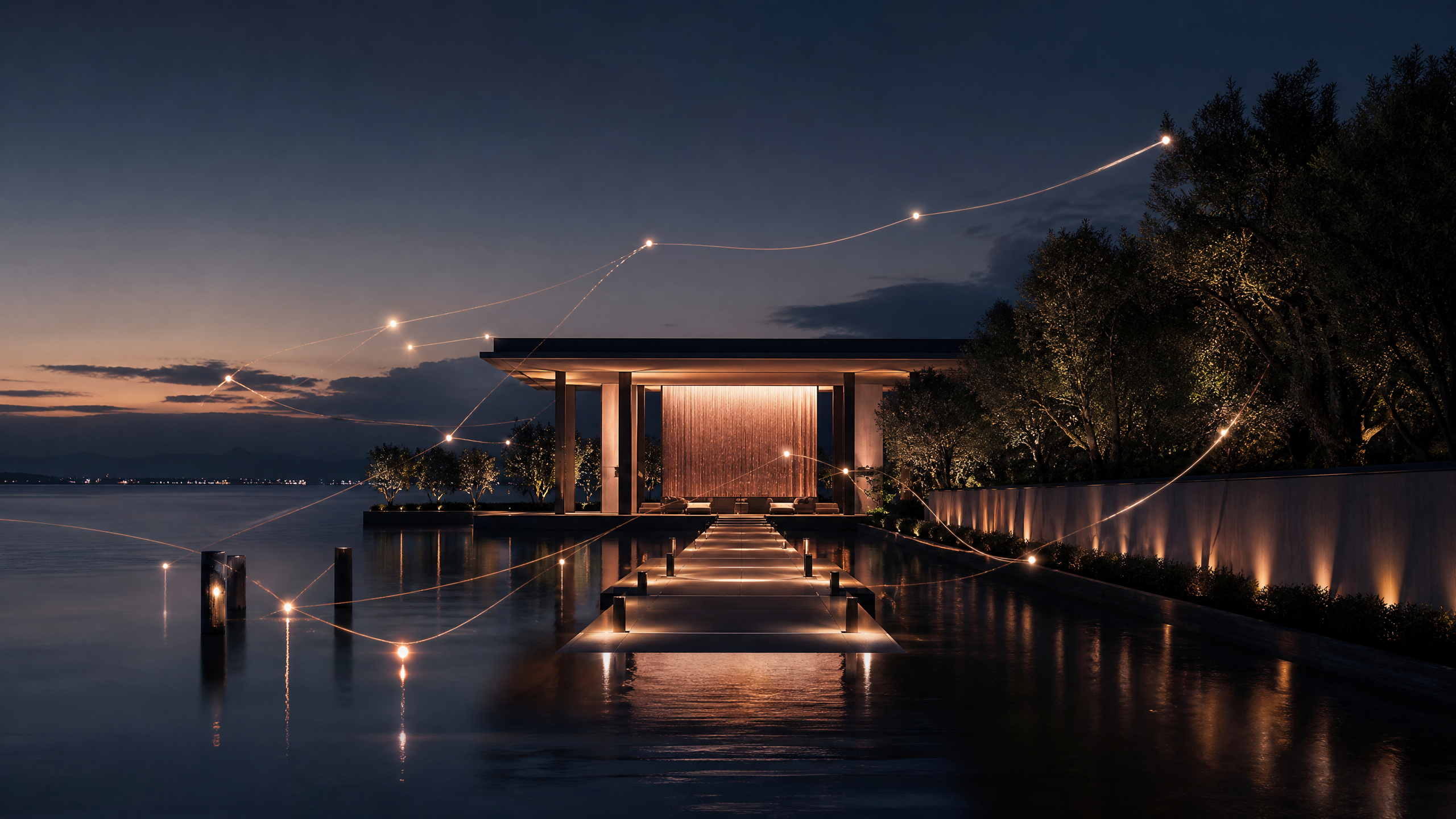
3. What information is needed—and who can act on it?
Resilience is informational as well as physical. Teams should know what conditions they monitor, how information moves, who has authority, and what the member, guest, operator, or neighbor experiences while a system responds.
4. How does the public realm remain credible over time?
NOAA describes nature-based approaches that can address flooding, erosion, runoff, recreation, habitat, and water quality in some contexts. EPA describes resilience work across planning, design, construction, operation, and maintenance for public water systems facing natural hazards. Neither source supplies a project-specific answer for Fast Town.
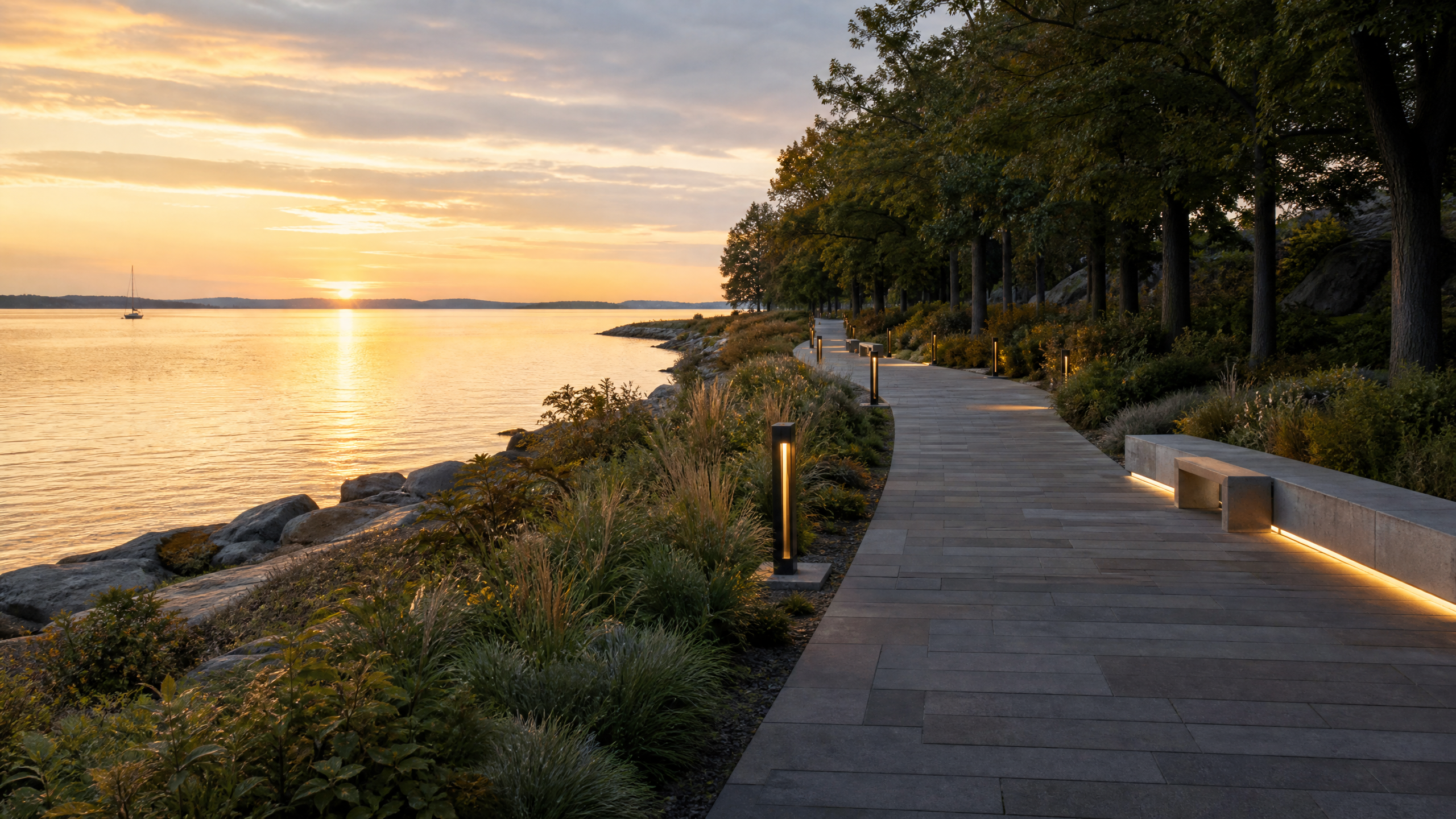
Florida’s growth story is worth following. But the durable destination question is simpler: what does this place need to keep doing well—before, during, and after conditions change?
For a conversation about systems, experience, and long-term thinking behind a destination, contact Fast Town.